
OUR DESIGN-BUILD LANDSCAPE PROCESS

Landscape Design Process
EASTROCK LANDSCAPE

Landscape Design
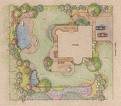
With over 25 years experience Eastrock Landscape has been offering professional landscape design services maintaining very reasonable and affordable pricing. Our creative and knowledgeable staff will listen to your desires, provide innovative solutions and transform your dreams into reality. There is no substitute for good planning. A successful landscape is beautiful, functional and sustainable but starts with the development of good ideas by a qualified designer.
INITIAL CONSULTATION
STEP 1
The initial consultation usually takes place on site and is where the client explains the scope of the project. The client will usually outline his/her objectives, likes and dislikes, and generally convey to the landscape architect / designer what he wants. A completed Design Questionnaire (link above) will help expedite the first meeting providing valuable information to the designer. It is also helpful if a client has photographs of designs or styles that he/she prefers. Frequently, a client only knows in general terms what he/she wants to accomplish and is relying on the landscape architect / designer to present him/her with several alternatives. These responses are explored in the “Conceptual Design Phase”. During this phase it is important to discuss budgeting and general costs.
CITY / COUNTY PLANNING REVIEW AND/OR VARIANCE APPLICATION
STEP 2
Depending on the complexity of your project and specific needs we check with the city/county departments to review any planning or setback issues that might have an impact on the design and installation of your project. In some cases we must supply a basic design to satisfy the city/county requirements for a thorough review. A variance application can be considered when a project is considered a deviation from the set of rules a municipality applies to land use and land development, typically a zoning ordinance, building code or municipal code.
SITE SURVEY
STEP 3
If a comprehensive plan is needed, the next step toward that goal is to create a drawing that shows the site as it currently exists. In most cases a property survey plot plan exists and is usually part of the homeowner’s deed (residential). The plot plan details the location and size of existing built elements (buildings, walks, etc.) and the location of setback lines and easements (utility, access, drainage, etc.) What it typically does not show is the location of existing vegetation (trees, shrubbery, etc.) or topography (the contours or slope of the ground). Depending on what the intent of the design is, topographic information may not be necessary. For example, a planting plan that will not involve any built structures (retaining walls, steps, walks, fences) would not require a topographic survey. If the desired landscape design will involve built elements, we strongly recommend gathering the additional topographic information. Due to the high cost of construction, having complete site information will more than pay for itself by allowing the design to accurately describe the elements to be created. Our estimators can then precisely determine the cost of those elements, without having to account for unknowns.
CONCEPTUAL DESIGN (Final Design In Some Cases)
STEP 4
This is the first response from the Landscape Architect / Designer to propose a variety of possible solutions to the problems the client and the site have presented. The ideas represented by this design will be based on the client’s needs and desires presented during the Initial Consultation and the information developed subsequently during the Site Survey. Arriving at a final design is a process and dialogue between the client and the Landscape Architect / Designer.
The design at this stage is not a complete plan; it represents a “concept”. Clients frequently can visualize the design intent thoroughly at this stage. However, the conceptual design at this point does not always have enough information to do a complete estimate or installation.
Although the Conceptual Design at this stage is not 100 percent ready for estimating, it can allow preliminary budget analysis. The design at this stage can also act as a long-range blueprint in the event that the overall project may involve stages to be implemented over time. Subsequent stages frequently require more detailed information than what has been developed up to this point. The conceptual design is intended to be flexible. Once all parties have agreed that the conceptual design represents the direction they want to pursue, then additional details can be developed to allow the design to be accurately implemented.
PRELIMINARY DESIGN DEVELOPMENT / CONSULTANTS
STEP 5
This phase involves the production of the plans and details that allow a project to be accurately estimated and installed. Research and selection of products, materials and color palettes are very time consuming. Code changes and variations between city/county regulations demands clear and frequent communication with city planners and inspectors. It is sometimes necessary to engage the services of consultants to assist in the completion of specific phases or components of the design. Following is a list of consultants sometimes used as part of our design team on residential projects. Some or all may also be hired after the HOA review, especially engineers.
Geotechnical Engineer- Investigates existing soil structure and geology and makes recommendations for paving, concrete footings, slope repair and slide prevention.
Civil / Structural Engineer- As required by local governing agencies for structural calculations for retaining walls, structures decks and site utilities.
Surveyor- Survey existing site conditions, topography and vegetation. Mark boundaries.
Soil and Plant Lab- Samples of existing soil is sent to a lab for horticultural analysis for nutrients, minerals, deficiencies and prepares a report with the findings and recommendations.
Horticulturist- Inventory and evaluate health of existing trees and report findings and provide recommendations.
Pool Designer- Prepare schematic plans, construction details and specifications for water features.
Electrical Engineer- Electrical circuit plans, lighting details and specifications beyond low voltage lighting systems.
Sound and Video Technician- As technology keeps moving forward at a fast pace we utilize the expertise of companies specializing in sound and video for our high tech clients.
MASTER PLAN
STEP 6
After approval of the preliminary plan, additional plans can be added providing a clear understanding of each item. Additional designs and schematics help to clarify most construction details and material selections. The added information provides an enhanced understanding of the project reducing questions and problems during the construction phase. A complete package of landscape plans can include some or all of the following:
- Site plan
- Construction Notes (details and specifications for project implementation)
- Grading plan
- Layout plan
- Planting plan
- Irrigation plan
- Drainage plan
- Lighting plan
- Electrical, Gas, Sewer, Water plan
- Engineering
- Bidding specifications and instructions
Not every landscape project requires, or can justify the cost involved in planning to such a complete degree. Small-scale residential projects can sometimes be installed without all the specifications and details. However, this process relies heavily on your contractor's experience and expertise.
DESIGN / ESTIMATE REVIEW AND ACCEPTANCE
STEP 7
This process involves the detail review of the design and estimate to make sure all items are accurate and ready for implementation. It is best to have all materials selected so that they can be ordered and delivered making your project run smoothly.
HOA REVIEW (If Applicable)
STEP 8
If you have an HOA the design will require approval before the construction can begin. Your HOA may require material samples, color selections and a small deposit for the review process.
ENGINEERING
STEP 9
In many cases the engineering is completed after the HOA appoves the overall plan. This is another delay but unless the proposed work is assured of being approved it is best to wait to prevent design and engineering changes which will add cost to your project.
PERMIT PROCUREMENT
STEP 10
Permits are required on many projects. This process may require additional design work, construction notes or details to satisfy the city or county building department. Some permits can be obtained the same day but others take the building department days or weeks to approve. Fee's will vary depending on the complexity of the project.
SCHEDULING / ORDER MATERIALS
STEP 11
Upon approval of the design, signing of the contract, receipt of the proper deposit, HOA approval and permits pulled you will be assigned a start date. We may order specialty or hard to get materials in advance. You are kept informed on the start date and provided skilled and experienced craftsman to complete your project. The advantage of working with an experienced Design-Build Landscape Company like Eastrock Landscape is that you are now ready to start your project instead of waiting weeks or months for other contractor's estimates.
See our "Construction Process" for more information.

"Excellence In Craftsmanship"
"Excellence In Craftsmanship"
